ServicesCode Corrections & Inspection Fixes
Code Corrections & Inspection Fixes in White Settlement
An inspector flagged something electrical, and now you have a list you may not fully understand. We go through each item with you in plain English, tell you what it means for safety, and correct it to code so your home is ready for the next step.
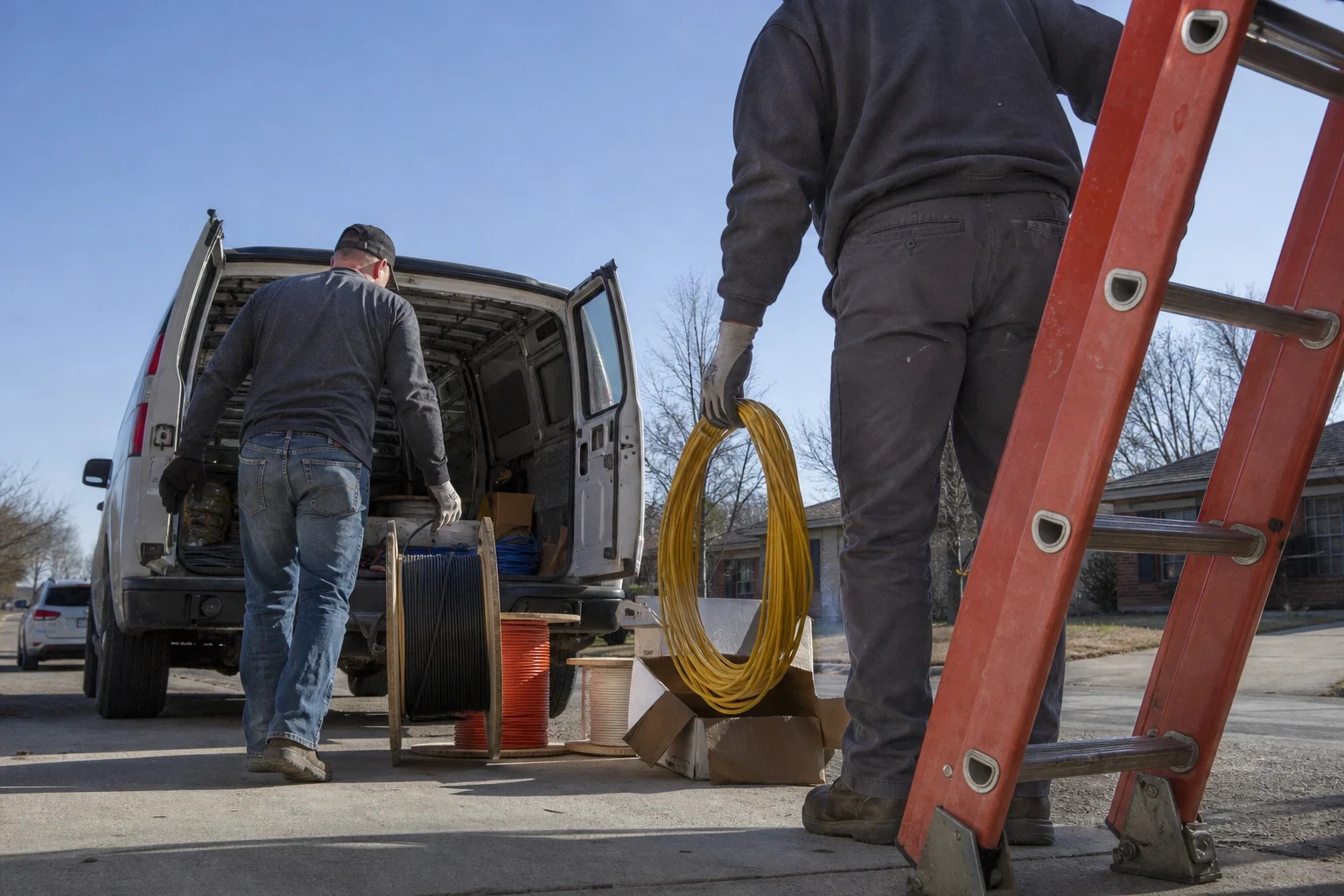
What a Code Correction Really Means
Inspection reports are written for other professionals. A line like "double-tapped breaker" or "open junction box in attic" can sound alarming or mean nothing to you at all. Code corrections take those write-ups, from a home sale inspection, a failed permit inspection or an insurance review, and turn them into finished, compliant work.
We start by going over each item: what the inspector saw, why the code asks for it, and whether it's a real hazard or a small fix. Some items take minutes. Others point to a bigger problem behind the wall, and we'll show you that before anything changes.
We hold a Master Electrical License and have 5 years in business working on homes in White Settlement and around Fort Worth, so reading these reports is routine for us. For you it may be the first time, and we keep that in mind.
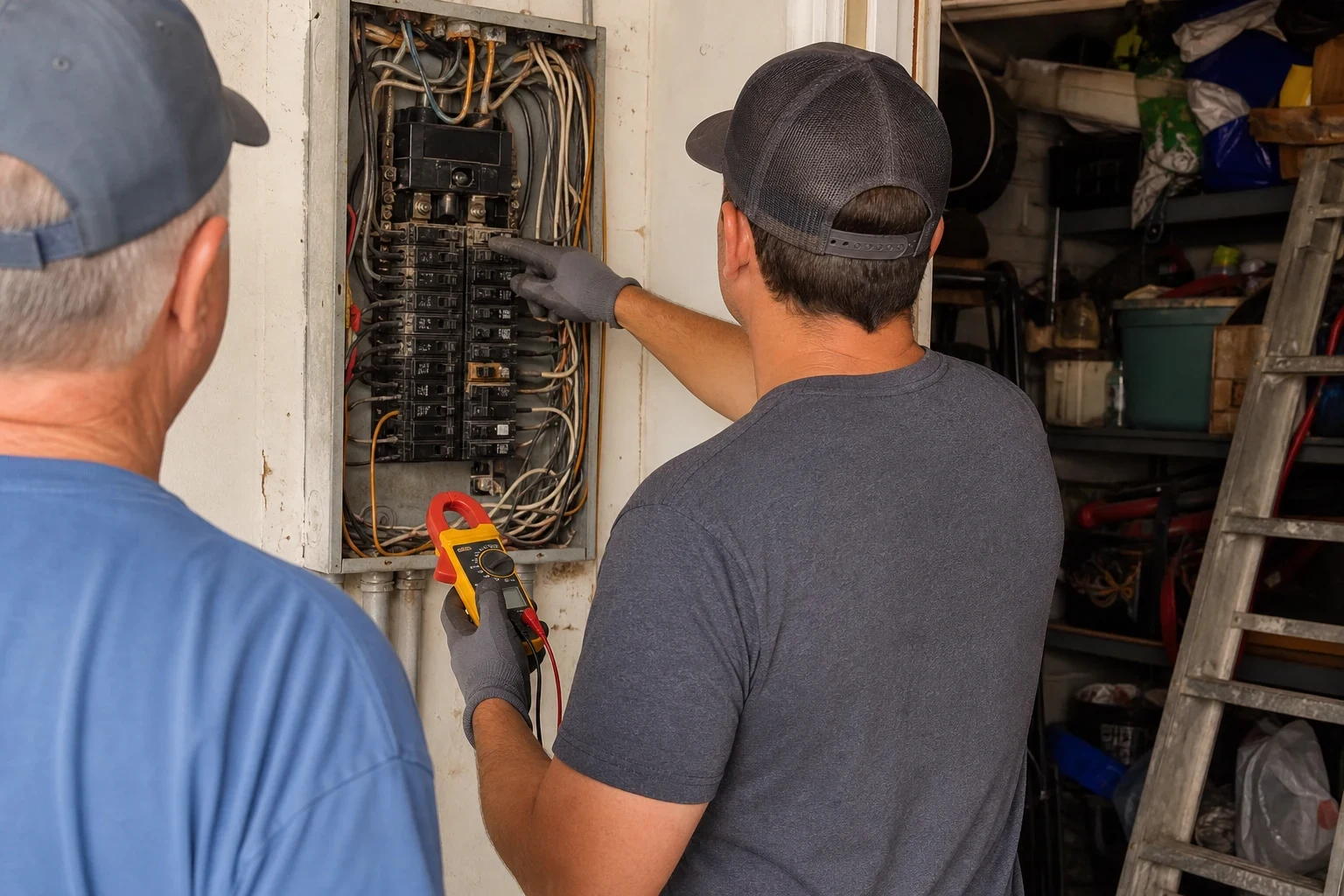
What We Correct
- 01
GFCI protection where it's required
Kitchens, bathrooms, garages, laundry areas and outdoor outlets usually need ground-fault protection. We add GFCI outlets or breakers and test each one so it trips the way it should.
- 02
Double-tapped and oversized breakers
Two wires under a screw made for one, or a breaker too large for the wire it feeds, show up on a lot of reports. We split the circuits properly or match the breaker to the wire.
- 03
Open boxes and loose splices
Wire nuts hanging in the attic, missing cover plates and splices outside a box all get flagged. We put every connection in a proper box with a cover so nothing is exposed.
- 04
Grounding connections
Inspectors check that the panel has a solid grounding connection and that metal water and gas piping is tied into the grounding system. We correct missing or loose connections and tell you what each one protects against.
- 05
Ungrounded three-prong outlets
A three-prong outlet on an old two-wire circuit looks grounded but isn't. We walk you through the options, such as running a ground or adding GFCI protection with the right labels, and you choose.
- 06
Panel labels and clearances
Unlabeled circuits, missing knockout fillers and storage crowding the panel are small items, but they're on the list. We close them out so nothing is left hanging.
Questions about Code Corrections & Inspection Fixes?
Call(682) 474-0799Signs You Need Code Corrections
A buyer's inspection flagged electrical items
Sellers and buyers both end up here. We correct the items and give you a written summary of what was done to share with the other side.
A permit inspection didn't pass
If an inspector left a correction notice on a project, we read the notice with you, fix the cited items and get the work ready for reinspection.
Your insurer asked for repairs
Some insurance reviews call out a panel or wiring. We fix what's listed and describe the work in writing; questions about the policy itself stay between you and your insurer.
You've found do-it-yourself wiring
A previous owner's extension-cord outlet or a ceiling fan hung from a light-duty box is worth checking before it causes trouble.
Something feels off but nobody's inspected yet
Warm cover plates, buzzing or a burnt smell call for an Electrical Repair visit first. We find the cause, then deal with any code items around it.
How a Correction Visit Goes
- 1
Talk through the report by phone
When you call, tell us what kind of inspection it was and roughly how many electrical items are listed. That helps us plan enough time and bring the right parts.
- 2
Walk each item together
We look at every flagged spot with you and sort the list into safety items, code items and minor fixes. You get a written, item-by-item estimate before any work begins.
- 3
Make and test the corrections
We work through the list and test each repair as we go. If opening a box reveals more, we stop, show you, and nothing extra happens without your OK.
- 4
Close it out
You get a written summary of each item and what we did. Where the local jurisdiction requires a permit or reinspection, we handle that step and tell you when it's scheduled.
What Affects the Cost of Code Corrections
Most reports mix quick fixes with one or two bigger items, so the price depends on what's actually on your list. We price each item separately in writing. That way you see where the money goes and can decide what to tackle first.
- How many items, and what kind
- Adding a cover plate and rewiring a mislabeled circuit are very different jobs. A long list of small items often costs less than one serious problem.
- Access to the wiring
- Attic work in a Texas summer goes slower, and finished walls take care to open and patch. Easy access keeps labor down.
- What's behind the cover
- Sometimes a flagged outlet hides scorched wire or an overloaded circuit. We show you what we find and price it before going further.
- Parts and panel condition
- AFCI and GFCI breakers cost more than standard ones, and some older panels use breakers that are hard to find. If parts aren't available, we'll tell you whether Panel Upgrades makes more sense.
- Permits and reinspection
- Small corrections often don't need a permit, while bigger changes do. Permit fees and any return trip for the inspector are listed on your estimate.
Code Correction Questions
Do I have to fix everything on my home inspection report?
Not always. A home inspection report during a sale is advice, and what gets fixed is usually part of the negotiation. Some items are real safety concerns we'd urge you to correct, while others are recommendations. A correction notice from a permit inspector is different: those items need to be fixed to pass.
Will you tell me if a flagged item isn't really a problem?
Yes. Inspectors sometimes write things up to be cautious, and older homes can meet the code that applied when they were built. We'll tell you plainly which items matter for safety, which are required, and which you could reasonably leave alone.
Do you pull permits for this work?
When the local jurisdiction requires a permit for a correction, we pull it and coordinate the inspection. Many small fixes, like swapping in a GFCI outlet, don't need one. We'll tell you which items do before work starts.
Can you fix work another electrician or a handyman started?
Yes. We look at what was installed and read any correction notice, then explain what needs to change. Sometimes it's a small adjustment, and sometimes a section needs to be redone properly.
What if a small fix turns into a bigger job?
We stop and show you before doing anything outside the estimate. If the wiring behind several items is failing, we'll lay out whether targeted repairs will hold or whether Whole-Home Rewiring is the better long-term choice, and the decision stays yours.
Turn Your Inspection List Into Finished Work
Have your report handy and bring your questions. We'll explain every item, give you a written estimate and correct the work to code.